.png)
A Conversation w/ Léa Banchereau
- May 17
- 4 min read
Updated: May 24
CONVERSATIONS IN THE R+H CREATIVE HOUSE - E08
When photography carries a strong emotional depth and atmosphere, it tends to stay with you.
In a visual culture defined by speed, constant output, and endless cycles of reference and repetition, imagery has become one of the most immediate ways a brand communicates identity and emotion. Yet at the same time, images are becoming increasingly disposable.
We sat down with Léa Banchereau, French visual artist working primarily in analog photography and moving image, to explore how she approaches emotional storytelling through imagery, and what allows a photograph to hold meaning beyond the moment it was created.
This conversation is a reminder that photography, at its core, is not about producing more images, but about creating images that hold meaning beyond the moment they are made.
A reflection on slowness, intention, and emotional depth in a world that moves quickly.

( Q1 )
We are surrounded by more images than ever before. How do you personally protect the emotional integrity of your work in such a saturated visual culture?
Léa: “I try to consume art and images outside of my phone as much as I can. I block out a few days each month to visit museums and galleries in order to consume art in a more meaningful way.
Things online move so fast. People are creating similar images. I find that we end up consuming different versions of the same image over and over again.
When given references for a shoot, I view them as a starting point and always account for extra time to play around and create something that feels like me and not just a copy of a reference image.”
( Q2 )
When you approach a new project, do you think in terms of what you want people to see or what you want them to feel?
Léa: “A mix of both. I usually start with a clear visual direction, since I find that my work already carries a defined identity that people are drawn to. From there, the focus shifts to feeling. I think about how the images will land emotionally, and what stays with someone after they look away.
I aim for photographs that feel poetic and open, where emotion leads as much as form.”
( Q3 )
What makes an image emotionally resonant for you, beyond composition or technique?
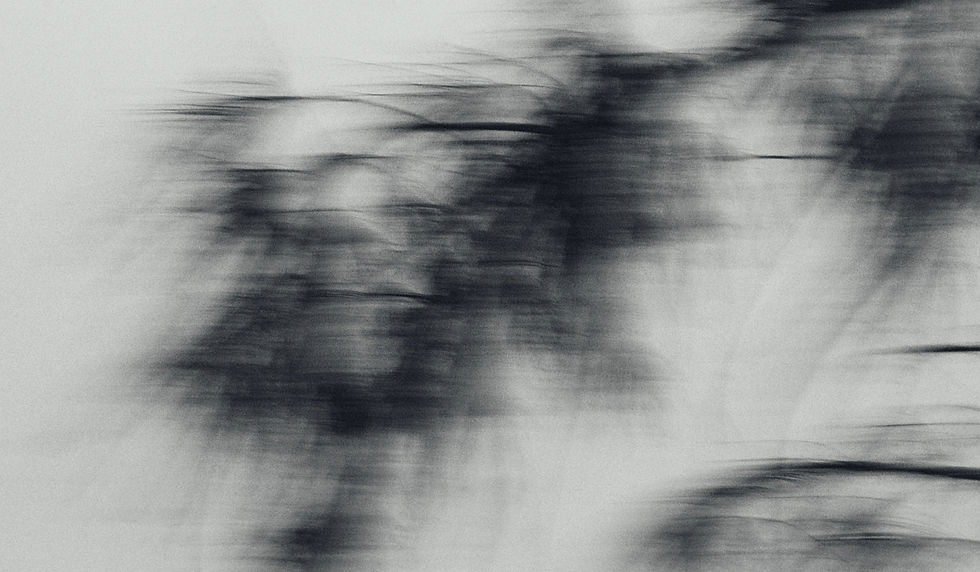
Léa: “A resonant image has something emotional and honest to it.
It often comes from a moment where I am fully present and responding rather than controlling. What stays with me is tension or softness that feels real rather than constructed. If an image feels lived in or slightly unexpected, it tends to hold emotional weight.”
( Q4 )
How much of your process is planned versus intuitive or instinct-led?
Léa: “It really depends on the project. For commercial work, I plan most of the structure in advance and leave space for intuition once I am on set. For personal work, I have a completely instinct-led approach. I respond to what I see in the moment and follow what feels visually compelling without forcing an outcome. That is usually where my strongest images originate.”

( Q5 )
What allows a photograph to remain meaningful over time, instead of becoming part of a fast-moving visual feed?
Léa: “To me, what keeps a photograph alive is whether it still communicates something specific and felt, beyond its original moment or context. Work that is honest and emotional tends to last.”
( LAST Q )
Is there anything you feel is often misunderstood about photography as an art form today, especially in how it’s used within commercial work?
Léa: “People tend to think that “everyone is a photographer” because it’s so easy to take photos with our phones on a daily basis. It sometimes devalues the work of photographers.
But intention, experience, and vision shape the result in a way that is not easily replicated. In commercial contexts, photography is sometimes reduced to execution, when it is also a creative language that carries authorship and perspective.”

( ADVICE + REFLECTION )
For photographers who are just starting out, what would you encourage them to focus on first in order to develop a distinct visual voice?
Léa: “Try out as many different visual styles as possible. Experiment with different lighting setups, explore different environments and how they affect the photograph. Pay attention to what feels natural to you and what does not. Understanding why something fails is as useful as knowing what works.
In general, I would encourage you to shoot as much as possible in order to refine your visual voice.”
What advice would you give to creatives who feel pressured to produce constantly, especially in a world where imagery is consumed so quickly and often without pause?
Léa: “It’s so important to take breaks. Sometimes, less is more and taking a step back allows you to regain energy and inspiration. When work comes from pressure alone, it loses depth. Slowing down helps protect the quality of your work.”

( CLOSING REFLECTION FROM R+H )
We often come back to the same belief, that imagery is not a supporting asset within a brand, it is the emotional language of it. Before copy is read, before messaging is understood, before strategy is consciously processed, it is imagery that creates the first emotional impression of a brand world. And in that moment, there is no explanation, only feeling.
This is why we consistently prioritise visual direction as one of the most important layers in brand building. Not because aesthetics are the goal, but because they are the vessel through which meaning is felt instantly.
It is what slows perception down.
It is what creates memory.
It is what allows a brand to feel human in an increasingly automated visual environment.
This is also why we believe investing in strong imagery is not a surface-level decision for brands, it is a foundational one. The difference between a brand that is seen, and a brand that is felt, often comes down to the quality of its visual language.

As always, this conversation is an invitation to slow down, reflect, and reconnect with the human side of creative work. Thank you so much for reading, and a huge thank you to Léa for taking the time to share her thoughts and for such an honest conversation.
Want the conversations delivered straight to your inbox?
R+H


